Have you ever read the Old Testament and wondered why God gave Israel so many laws, sacrifices, and commands? Why did people bring animals to the altar? Why was the covenant between God and Israel so important?
These questions lead us to the old covenant biblical meaning.
The old covenant was not simply a list of rules. It was a special relationship God established with Israel. Through this covenant, God showed His holiness, gave His people His laws, promised His presence, and taught them how to live as His chosen people.
The word covenant means a serious promise or agreement. In the Bible, a covenant between God and people is much deeper than an ordinary agreement. It carries God’s authority, promises, and expectations.
The old covenant helps us understand God’s character. It shows that God is holy, faithful, just, and merciful. It also points forward to something greater—the new covenant through Jesus Christ.
So, what does the old covenant mean in the Bible, and what can Christians learn from it today? Let us look at Scripture and discover its deeper spiritual message.
Biblical Meaning of the Old Covenant
The old covenant biblical meaning is closely connected to God’s covenant with the nation of Israel through Moses. This covenant was formally established at Mount Sinai after God brought Israel out of slavery in Egypt.
God said:
“Now therefore, if you will indeed obey my voice and keep my covenant, you shall be my treasured possession among all peoples.” — Exodus 19:5
This verse shows the heart of the covenant. God called Israel to obey Him, and He promised to make them His special people.
A Covenant of Relationship and Obedience
The old covenant was based on God’s relationship with Israel. God gave Israel commandments that taught them how to worship Him and how to treat other people.
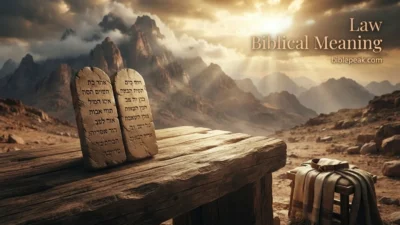
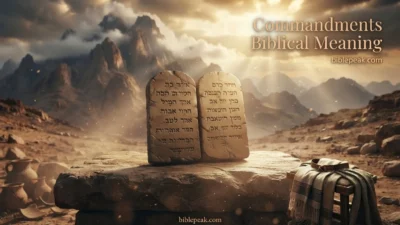
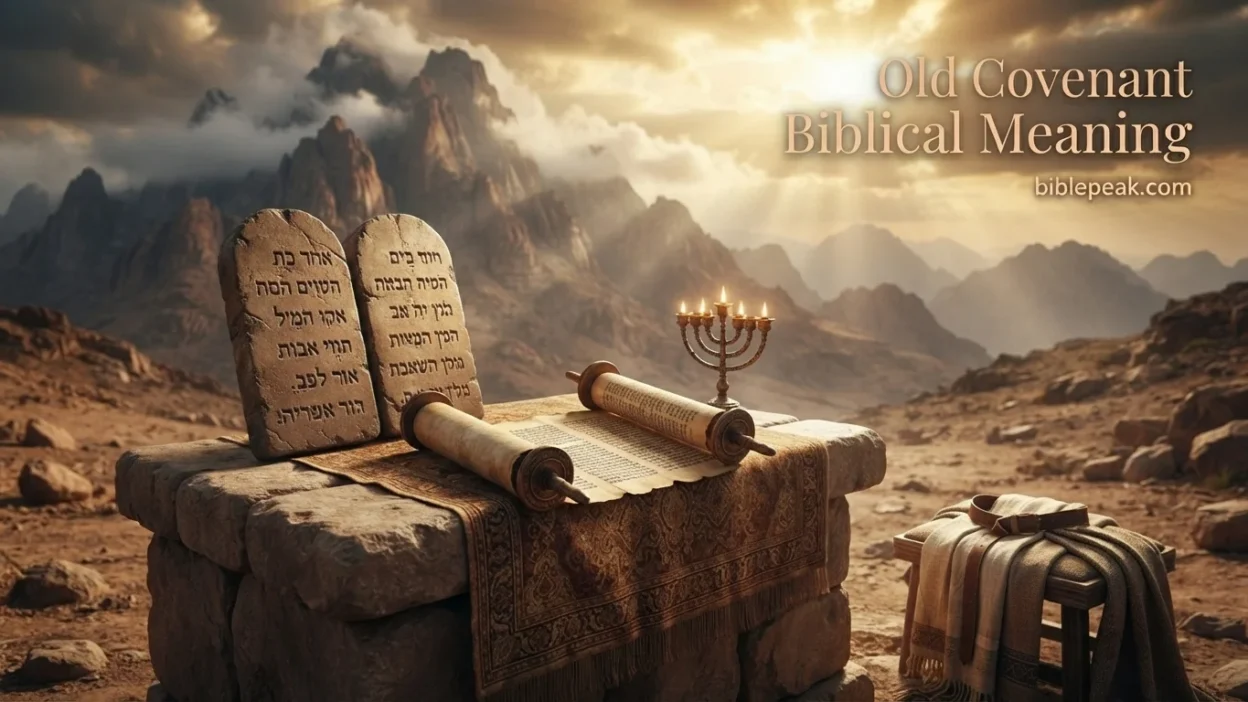
The Ten Commandments in Exodus 20 are a central part of this covenant. They taught Israel to worship only God, honor His name, keep the Sabbath, respect parents, and avoid murder, adultery, stealing, lying, and coveting.
These laws revealed God’s holy standard.
The covenant was therefore not only about punishment. It was also about guidance. God wanted His people to live in a way that reflected His holiness.
The Role of Sacrifices
Sacrifices were another important part of the old covenant.
Because sin separates people from a holy God, sacrifices were used as part of Israel’s worship and atonement system. Leviticus describes different offerings that were brought before God.
Hebrews 9:22 explains that under the law, forgiveness was connected with the shedding of blood.
These sacrifices also pointed toward the greater sacrifice of Jesus. The Old Testament system was preparing God’s people for a future and complete work of redemption.
The Old Covenant and God’s Promises
God also made promises to Israel. He promised to be their God and called them to be His people.
In Deuteronomy 7:9, Scripture reminds us that God keeps His covenant and shows steadfast love to those who love Him and keep His commandments.
This teaches an important truth: God is faithful.
Even when people failed, God’s character did not change. The history of Israel shows both human weakness and God’s patience.
The Old Covenant Reveals Sin
The law also helped people understand the seriousness of sin.
Romans 3:20 teaches that through the law comes knowledge of sin. The law showed people God’s perfect standard, but human beings could not keep that standard perfectly.
This is one reason the old covenant points us toward our need for grace and salvation.
The old covenant was holy and good, but it could not completely change the human heart. It showed the problem of sin and prepared the way for God’s greater plan through Christ.
A Covenant That Pointed to Something Greater
The prophet Jeremiah spoke of a coming new covenant:
“I will make a new covenant with the house of Israel.” — Jeremiah 31:31
This promise is important because it shows that God’s plan was moving toward something new.
The old covenant was not a mistake. It was part of God’s unfolding plan of redemption. It prepared people to understand holiness, sin, sacrifice, forgiveness, and the need for a Savior.
Jesus later connected His death with the new covenant. At the Last Supper, He said:
“This cup that is poured out for you is the new covenant in my blood.” — Luke 22:20
Through Jesus, Christians understand the fulfillment of what the old covenant pointed toward.
Spiritual Significance and Symbolism
The old covenant carries several powerful spiritual lessons for Christians today.
First, it teaches us about the holiness of God. God is not careless about sin. His laws show that He is righteous and worthy of worship.
Second, it teaches us about obedience. Although Christians are not under the old covenant law as Israel was, obedience to God still matters. Faith should shape the way we live.
Third, the old covenant teaches us about God’s faithfulness. Israel often failed, but God continued to work through His promises.
This can bring comfort when you feel weak. Your failures do not make God unfaithful.
The covenant also teaches us that we need more than outward actions. Jeremiah 31 points toward God’s law being written on people’s hearts. This idea finds fulfillment in the new covenant, where God changes people from within.
For example, a person may follow religious routines every day but still struggle with a distant heart. God desires more than routine. He desires faith, love, repentance, and a heart that seeks Him.
The old covenant therefore invites us to look deeper. It helps us see the difference between simply knowing God’s commands and truly walking with God.
Biblical Interpretations in Dreams or Real Life
If you see the idea of an old covenant in a dream, Bible study, sermon, or personal reflection, it may remind you of commitment, obedience, promises, or God’s faithfulness.
A peaceful experience may encourage you to remember God’s promises and remain faithful to Him.
A troubling experience may cause you to examine areas of disobedience, guilt, or spiritual distance. However, it should not automatically be viewed as a divine warning or prophecy.
Dreams should be tested carefully against Scripture. The Bible should remain the foundation for Christian understanding.
If the idea of the old covenant keeps coming to mind, take time to pray and read passages such as Exodus 19–20, Jeremiah 31, and Hebrews 8–10.
Ask God for wisdom and guidance, rather than assuming every dream contains a hidden message.
Practical Lessons & Faith Insights
The old covenant reminds us that God keeps His promises, sin matters, and obedience matters. It also points us toward our need for grace through Jesus. Read Scripture, pray honestly, learn from God’s commands, and trust His faithfulness even when your own faith feels weak.
Conclusion
The old covenant biblical meaning centers on God’s relationship with Israel, His holy law, His promises, and His plan of redemption. It teaches us about God’s holiness and faithfulness while pointing forward to the new covenant fulfilled through Jesus Christ.
The old covenant helps us understand the story of salvation and reminds us that God has always been working to bring His people closer to Him. Trust His promises, seek His presence, and let His Word guide your heart.

William Tyler is a passionate Christian writer at BiblePeak, dedicated to exploring the hidden meanings, biblical codes, Scripture insights, prophecy, and faith-based teachings. His mission is to help readers better understand God’s Word through clear, accurate, and inspiring biblical content.