
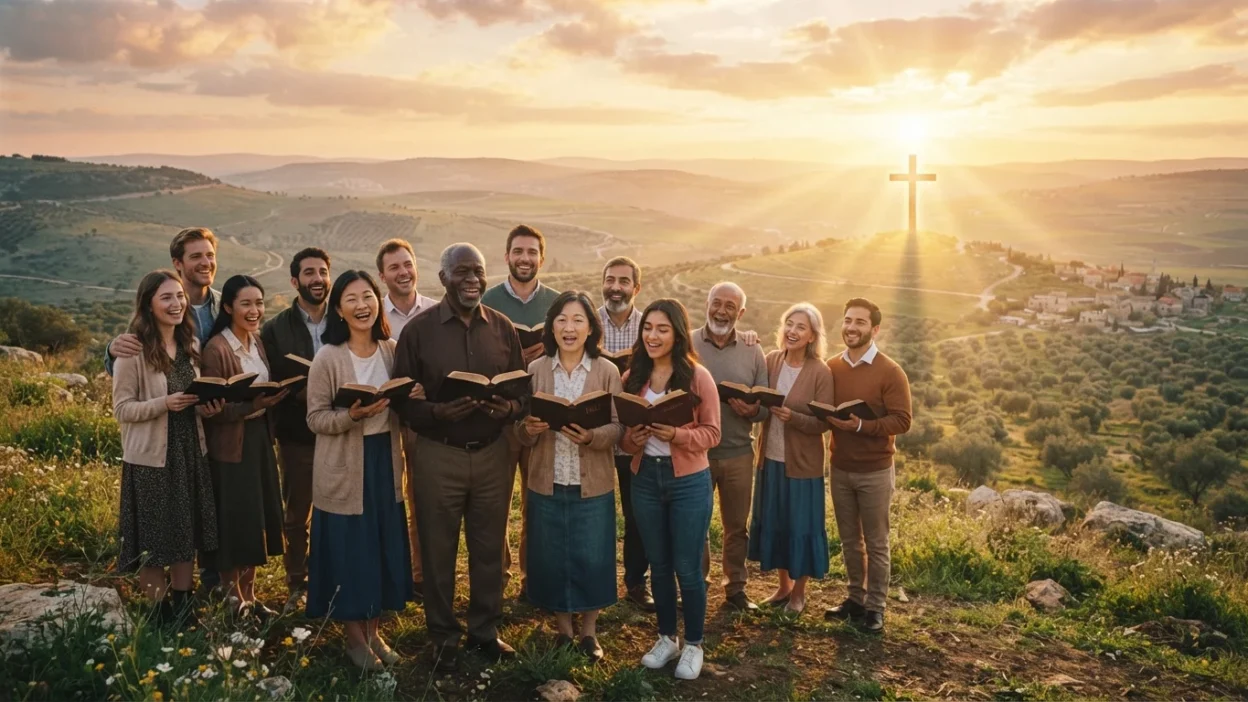
Have you ever wondered what it means to be chosen? Being chosen often brings a sense of purpose, belonging, and responsibility.
In the Bible, the idea of God’s chosen people is not about human pride or superiority. Instead, it reveals God’s love, grace, and plan to bless the world.
The chosen people biblical meaning begins with God’s covenant with Israel. God chose the nation of Israel to know Him, receive His promises, and share His truth with the nations.
Later, through Jesus Christ, the Bible teaches that everyone who believes in Him becomes part of God’s family by faith.
Throughout Scripture, God’s choice is connected with His faithfulness rather than human achievement. He calls His people to trust Him, obey His Word, and reflect His love to others.
Many Christians also wonder if dreams about being called by name, receiving an invitation, or joining a large family carry deeper biblical symbolism.
While dreams should always be tested by Scripture, these themes can remind believers of God’s loving invitation and purpose.
The Bible teaches that being one of God’s chosen people is both a privilege and a responsibility. It is a call to live faithfully, love others, and bring glory to God.
Let’s explore the chosen people biblical meaning and discover the encouraging spiritual message behind God’s gracious calling.
Biblical Meaning of Chosen People
The chosen people biblical meaning refers to those whom God has called for His purposes. In the Old Testament, this primarily referred to the nation of Israel, whom God chose to enter into a special covenant with Him.
In Deuteronomy 7:6, God tells Israel:
“The Lord your God has chosen you out of all the peoples on the face of the earth to be his people, his treasured possession.”
God did not choose Israel because they were the largest or strongest nation. Instead, He chose them because of His love and His promise to their ancestors.
God made His covenant with Abraham, promising that through his descendants all nations would be blessed (Genesis 12:2–3). This promise ultimately pointed to Jesus Christ.
In the New Testament, God’s family expands to include all who trust in Christ. Galatians 3:28 29 teaches that those who belong to Christ are heirs of God’s promises, regardless of their background.
The apostle Peter writes in 1 Peter 2:9:
“But you are a chosen people, a royal priesthood, a holy nation, God’s special possession.”
This verse shows that believers in Jesus are called to declare God’s goodness and live as His representatives.
Being chosen does not mean believers are better than others. Instead, it means they have received God’s grace and are called to serve Him with humility.
The Bible also teaches that God’s chosen people should reflect His character by showing love, mercy, justice, forgiveness, and compassion. Their lives should point others toward Christ.
The Christian meaning of chosen people is God’s gracious calling of those who belong to Him through faith, inviting them to live faithfully and share His love with the world.
Spiritual Significance and Symbolism
The spiritual symbolism of being chosen points to belonging, purpose, identity, and God’s faithful love.
Imagine a gardener carefully planting and caring for a tree. The gardener chooses it, nurtures it, and expects it to bear good fruit. In a similar way, God lovingly calls His people and helps them grow in faith so they can bless others.
Being chosen reminds believers that their identity is found in God, not in success, wealth, or the approval of others.
Many Christians experience this truth when they discover God’s purpose for their lives, serve others with joy, or remain faithful during difficult seasons.
The spiritual message is one of hope and responsibility. God chooses His people so they may reflect His light and share His love with the world.
As believers grow closer to Christ, they become living examples of His grace, kindness, and truth.
Biblical Interpretations in Dreams or Real Life
Some people wonder whether dreams about receiving an invitation, wearing a crown, joining a family, or hearing their name called have spiritual meaning. While the Bible encourages careful dream interpretation, every dream should be tested against God’s Word.
Dreams that emphasize calling, belonging, or purpose may encourage believers to trust God’s plan and live faithfully.
In everyday life, opportunities to serve others, share the Gospel, encourage someone in need, or grow in obedience can reflect God’s calling.
If these experiences lead you closer to Jesus, encourage prayer, and agree with biblical truth, they may serve as meaningful reminders of God’s purpose.
Above all, Christians should seek wisdom through Scripture, prayer, and the guidance of the Holy Spirit rather than relying solely on personal experiences.
Practical Lessons & Faith Insights
Remember that being chosen by God is a gift of His grace, not something you earn. Read the Bible, pray regularly, love others, and live in a way that reflects Christ. As you trust God’s calling, He will guide you to fulfill His purpose with humility and faith.
Conclusion
The chosen people biblical meaning reveals God’s loving plan to call people into a relationship with Him. Beginning with Israel and fulfilled through Jesus Christ, God’s invitation now extends to everyone who believes. As you continue your journey of faith, rejoice that God’s grace gives you a new identity, a lasting purpose, and the hope of belonging to His family forever.

William Tyler is a passionate Christian writer at BiblePeak, dedicated to exploring the hidden meanings, biblical codes, Scripture insights, prophecy, and faith-based teachings. His mission is to help readers better understand God’s Word through clear, accurate, and inspiring biblical content.