Have you ever seen a fig tree in a dream or wondered why it appears so often in the Bible? A fig tree may seem like an ordinary tree. It gives fruit, offers shade, and grows through the changing seasons. Yet, in the Bible, it can carry a deep spiritual meaning.
The fig tree biblical meaning is linked to peace, blessing, fruitfulness, spiritual growth, and God’s judgment. In some Bible stories, the fig tree points to hope and new life. In others, it warns people about a life that looks good on the outside but lacks true faith.
Think about a tree in spring. Its branches begin to grow green leaves. Soon, you hope to see fruit. But what if the tree has leaves and no fruit? This simple picture helps us understand some of Jesus’ teachings about faith and the human heart.
The fig tree also appears in stories about Israel, God’s promises, and the signs of the times. Jesus used it to teach lessons that still matter today. These lessons can help us think about our choices, our faith, and our walk with God.
But does seeing a fig tree always mean that God is sending a special message? Not always. The Bible gives different meanings based on the story and its setting. A dream about a fig tree should not be treated as a sure sign of the future.
So, what does a fig tree mean in the Bible? Let’s explore the key Bible verses, spiritual symbols, and life lessons that help us understand its meaning.
Biblical Meaning of the Fig Tree
The fig tree has several meanings in Scripture. To understand its message, we must look at the Bible passage where it appears.
1. The Fig Tree Symbolizes Peace and Blessing
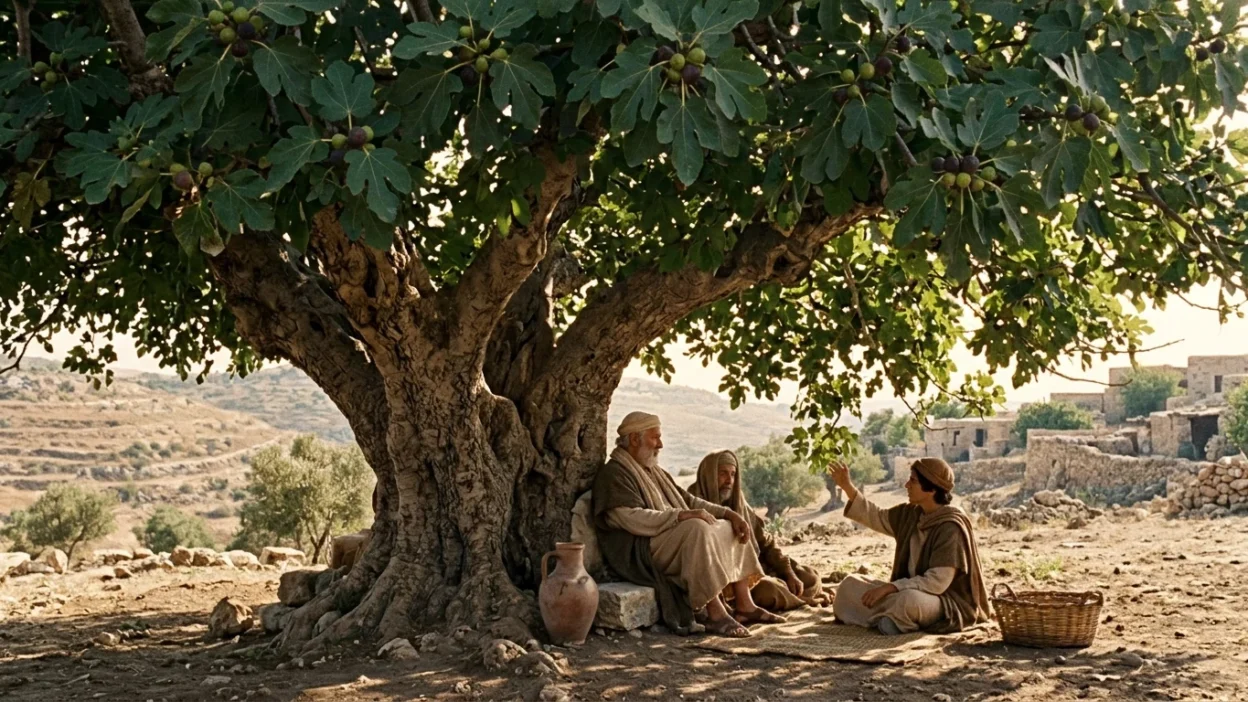
In the Bible, sitting under a fig tree can be a picture of peace, safety, and a good life.
Micah 4:4 says that each person will sit under their own vine and fig tree, with no one to make them afraid. This verse paints a picture of a time when God’s people can live in peace.
First Kings 4:25 also describes people living safely under their vines and fig trees during Solomon’s reign.
These verses connect the fig tree with peace, security, and God’s blessings.
What can this mean for your life? It can remind you to value the blessings you already have. A safe home, loving friends, daily food, and quiet moments with God are gifts worth giving thanks for.
The fig tree reminds us that a peaceful life is precious. It also points to the hope of a world where fear no longer rules people’s hearts.
2. The Fig Tree Represents Fruitfulness and Growth
A healthy fig tree should produce fruit when the season is right. In the same way, the Bible calls believers to grow in faith and show good fruit through their lives.
In Matthew 7:16–20, Jesus teaches that people can be known by their fruit. A good tree produces good fruit, while a bad tree produces bad fruit.
This teaching is not only about a tree. It is about the way we live.
Do we show love to others? Do we speak with kindness? Do we forgive when someone hurts us? Do we try to follow God’s Word?
These are signs of spiritual fruit.
Galatians 5:22–23 describes the fruit of the Spirit as love, joy, peace, patience, kindness, goodness, faithfulness, gentleness, and self-control.
The spiritual symbolism of the fig tree can remind us that real faith should shape our actions. We may not grow overnight, but God can help us become more loving and patient each day.
Just as a tree needs time to grow, our faith also needs time, care, prayer, and trust.
3. The Fig Tree Can Warn Against Empty Faith
Not every fig tree in the Bible represents blessing. Some stories carry a warning.
In Matthew 21:18–22, Jesus sees a fig tree with leaves but no fruit. He speaks to the tree, and it withers. Mark 11:12–14, 20–21 also records this event.
This story is often understood as a warning against outward religion without true spiritual fruit. The tree looked alive because it had leaves, but it did not have the fruit Jesus sought.
This lesson invites us to look at our own hearts.
We may attend church, know Bible verses, or speak about God. Yet, we must also ask whether our lives show love, mercy, honesty, and faithfulness.
God cares about more than appearances. He wants a heart that truly seeks Him.
The story is serious, but it also gives us a chance to change. If we notice pride, anger, or a lack of love in our lives, we can turn to God in prayer and ask Him to help us grow.
4. The Fig Tree Can Represent Israel and God’s Judgment
The fig tree also appears in passages about Israel and the people’s relationship with God.
In Luke 13:6–9, Jesus tells a parable about a fig tree that has not produced fruit. The owner wants to cut it down, but the gardener asks for more time to care for it.
This parable teaches about patience, repentance, and the need to bear fruit. God’s patience gives people an opportunity to turn back to Him, but that opportunity should not be taken for granted.
The gardener’s request for more time also shows the value of care and patience. Growth may take time, but it should lead somewhere.
In Jeremiah 24, good and bad figs are used to describe different groups of people and their circumstances. The image helps explain God’s judgment and His plans for His people.
The meaning depends on the passage. We should not assume every mention of figs means the same thing.
5. The Fig Tree Can Point to Hope and New Beginnings
In Matthew 24:32–35, Jesus uses the fig tree to teach a lesson about recognizing signs and understanding the times. When its branches become tender and its leaves appear, people know that summer is near.
The tree becomes a picture of recognizing a season by what can be seen.
This teaching encourages believers to remain watchful and faithful. It also reminds us that seasons change.
A difficult season in life does not last forever. We may face loss, fear, or questions about the future, but we can keep trusting God.
The fig tree’s new leaves can remind us of hope, change, and the importance of staying ready for God’s work. However, this passage should not be used to predict an exact date for future events.
Spiritual Significance and Symbolism of the Fig Tree
The fig tree offers several lessons for a Christian life. Its meaning can help us think about our faith, our choices, and our relationship with God.
A Symbol of Spiritual Growth
A tree does not grow strong in one day. It needs water, sunlight, and time. In the same way, our faith grows through prayer, Bible reading, worship, and daily trust in God.
You may feel weak in your faith at times. You may have questions or feel far from God. The fig tree reminds you that growth takes time.
God can help you grow, even when progress feels slow.
A Reminder to Bear Good Fruit
A tree is not judged by its leaves alone. Its fruit also matters. In the same way, our actions show what is growing in our hearts.
If we want to follow Jesus, we should try to show love, patience, honesty, and kindness. Small acts of care can make a real difference in another person’s life.
The lesson is simple: let your faith show through the way you treat others.
A Sign of Peace and Contentment
The image of sitting under a fig tree reminds us of rest and safety. Life can feel busy and full of worry. We may think we need more money, more success, or more things to feel happy.
But the Bible points us toward a deeper kind of peace. We can learn to trust God, be thankful for what we have, and find rest in His promises.
A Call to Repentance and Renewal
The fig tree without fruit reminds us that we should not ignore our spiritual lives. If we have become distant from God, we can return to Him.
You do not need to pretend to be perfect. You can speak honestly with God about your struggles and ask for His help.
The fig tree can remind us that faith should keep growing and that each day offers a chance to begin again.
Biblical Interpretations of the Fig Tree in Dreams or Real Life
Seeing a fig tree in a dream may lead you to think about its biblical meaning. However, the Bible does not give a fixed meaning for every dream about a tree. Your dream should not be treated as a certain message or prediction from God.
Here are a few ways to reflect on common situations through biblical themes.
Dreaming of a Green Fig Tree
A green, healthy fig tree may remind you of growth, peace, or hope. You can use this image as a reason to thank God for the good things in your life and ask Him to help your faith grow.
Dreaming of a Fig Tree Full of Fruit
Fruit may bring to mind spiritual growth and good actions. Consider whether you are showing love, kindness, and patience in your daily life.
Dreaming of a Dry or Fruitless Fig Tree
A dry tree may cause you to think about areas of your life that need care. You might reflect on your prayer life, relationships, or choices. Do not assume the dream means that something bad will happen.
Seeing a Fig Tree in Daily Life
If a fig tree catches your attention, you can use it as a simple reminder of God’s creation, the changing seasons, and the value of patience.
In every case, pray for wisdom, read Scripture in context, and avoid making major decisions based only on a dream. Seek guidance through God’s Word and trusted Christian counsel.
Practical Lessons and Faith Insights
The fig tree teaches us to grow in faith, value peace, and show good fruit through our actions.
- Pray daily: Ask God to guide your heart and choices.
- Practice kindness: Let your faith show through your actions.
- Be patient: Spiritual growth takes time.
- Examine your heart: Ask God to help you change what needs to change.
- Stay hopeful: Trust God through both good and difficult seasons.
Remember, a healthy spiritual life is not about looking perfect. It is about growing closer to God each day.
Conclusion: What Does the Fig Tree Mean in the Bible?
The fig tree biblical meaning includes peace, blessing, spiritual growth, fruitfulness, judgment, and hope. Its message changes with each Bible passage, but it often invites us to examine our faith and trust God more deeply.
Whether you see a fig tree in Scripture, in daily life, or in a dream, let it remind you to seek God’s wisdom and grow in love. Keep your heart open to His Word, and trust Him as you move forward in faith.

William Tyler is a passionate Christian writer at BiblePeak, dedicated to exploring the hidden meanings, biblical codes, Scripture insights, prophecy, and faith-based teachings. His mission is to help readers better understand God’s Word through clear, accurate, and inspiring biblical content.